
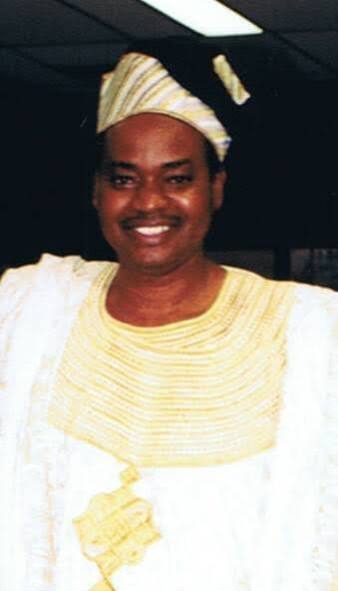
If you’ve ever wondered who laid the foundation for Nigeria’s theatre and Yoruba folk opera, the name Kola Ogunmola will quickly appear. His story is one of passion, creativity, and cultural pride. From humble beginnings in Okemesi, Ekiti, to national fame as a pioneer of Yoruba travelling theatre, Kola Ogunmola transformed local storytelling into a celebrated art form.
In this post, we explore Kola Ogunmola’s biography, family life, children, works, and enduring legacy. Whether you’re a student of African literature, a lover of stage performance, or simply curious about Nigeria’s creative icons, this detailed profile reveals how his vision continues to shape Nigerian drama and film today.
 Quick Overview: Kola Ogunmola Biography (1925–1973)
Elijah Kolawole Ogunmola, popularly called Kola Ogunmola, was a Nigerian actor, playwright, and theatre director who pioneered Yoruba folk opera. Born in 1925 in Okemesi, Ekiti State, he became known for blending traditional Yoruba storytelling with Christian values. His works such as The Palm-Wine Drinkard and Ife Owo redefined Nigerian stage performance and influenced later stars like Duro Ladipo and Wole Soyinka.
| Full Name | Elijah Kolawole “Kola” Ogunmola |
|---|---|
| Born | 11 November 1925 – Okemesi, Ekiti State, Nigeria |
| Died | 1973 – Ibadan, Oyo State, Nigeria |
| Occupation | Playwright • Actor • Director • Theatre Producer |
| Known For | Pioneering Yoruba folk opera and travelling theatre |
| Notable Works | Ife Owo, The Palm-Wine Drinkard |
| Descendants | Peju Ogunmola, Abayomi Ogunmola and others |
Kola Ogunmola remains one of the most celebrated figures in Nigerian performing arts.
His inventive style merged Yoruba oral traditions, Christian morality, and music-driven drama into a form later known as Yoruba folk opera.
Generations of stage and screen performers still credit him for creating a path that connected village storytelling to national theatre.
When I first studied his career, I noticed how he transformed a modest teaching background into a movement that reshaped West African performance culture.
Early Life & Family Origins
Born in Okemesi, a vibrant Ekiti community known for its festivals and storytelling, Ogunmola grew up surrounded by chants, drums and tales of heroes.
His parents were devout Christians, yet they encouraged participation in local masquerade and oral poetry—an unusual combination that would later define his art.
The dual influence of church hymns and traditional Yoruba music shaped the rhythm and tone of his plays.
He attended St John’s School, Okemesi, where his fascination with performance first surfaced.
Teachers often assigned him to recite Bible verses and lead class dramas during festive periods.
These formative experiences revealed an instinct for stagecraft long before professional theatre existed in the region.
At that time, drama was primarily used for religious instruction, but Ogunmola saw the stage as something more—a tool for moral reflection and communal unity.
Teacher, Early Drama & Transition to Theatre
After qualifying as a teacher in the 1940s, he began teaching in Ado-Ekiti and later in Ibadan.
In classrooms, he incorporated role-play to help students memorise lessons, blending education and entertainment.
Colleagues recalled that his pupils performed biblical parables mixed with local idioms—a playful experiment that soon outgrew the school compound.
When travelling troupes like Hubert Ogunde’s company toured nearby towns, young Ogunmola watched from the crowd, captivated by the power of live storytelling.
He recognised that drama could move beyond sermons to address everyday moral questions.
Inspired, he formed a small community troupe, rehearsing after school hours with simple drums and costumes borrowed from church plays.
By the early 1950s, Ogunmola’s reputation spread across the South-West.
Invitations arrived from churches and local councils requesting performances that combined laughter, song, and moral instruction.
When I compared these early scripts with later works, I realised he had already mastered his signature technique—using humour to carry ethical lessons while keeping audiences enthralled.
The Travelling Theatre: Ogunmola’s Innovation
The success of his early productions encouraged him to leave teaching entirely.
He established the Ogunmola Travelling Theatre, one of Nigeria’s earliest organised folk-opera troupes.
Unlike stationary stage groups, his ensemble toured villages and towns, performing in marketplaces and school compounds under oil lamps.
This model brought live theatre to audiences who had never entered formal playhouses.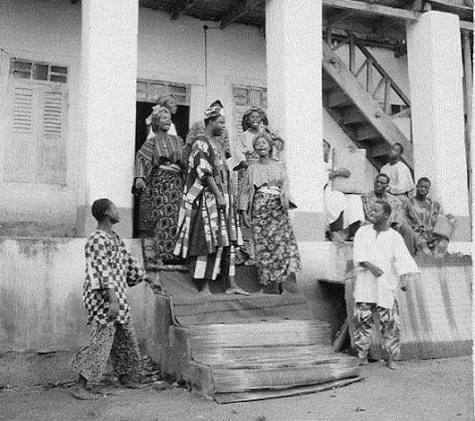
Founding the Troupe & Touring Strategy
Formed in 1954, the troupe consisted of family members, apprentices, and musicians skilled in talking drums and chants.
They travelled on lorries carrying props—wooden stools, costumes, and small percussion instruments.
Performances often coincided with market days, ensuring large turnouts.
Tickets were affordable, sometimes collected as farm produce or voluntary offerings.
This inclusive structure helped the company survive financially while strengthening community ownership of the art.
Repertoire & Performance Style
Ogunmola’s plays drew heavily on Yoruba proverbs, folk songs, and Christian allegory.
He preferred live music to recorded sound, believing rhythm conveyed emotion better than dialogue alone.
Actors sang in call-and-response patterns, engaging spectators directly.
Each show opened with drumming to invite ancestral blessing, then shifted into moral tales about greed, faith, or perseverance.
Unlike Western drama, there was no rigid script—performers improvised based on audience reaction, a style that foreshadowed today’s interactive theatre.
Signature Works and Rising Fame
Two productions defined his career.
The first, Ife Owo (“Love is Wealth”), explored loyalty and class conflict, using humour to question materialism.
The second, The Palm-Wine Drinkard, adapted from Amos Tutuola’s novel, premiered in 1963 and won national acclaim for its imaginative staging and use of folklore.
Scholars later identified the play as a turning point that connected written literature with indigenous performance.
During the 1960s, universities such as the University of Ibadan invited him for workshops, recognising his mastery of Yoruba folk opera.
He eventually served as an Artist-in-Residence there, mentoring younger dramatists who would go on to shape Nigerian theatre and film.
His touring model influenced other troupes like Duro Ladipo’s and Oyin Adejobi’s, creating a wave that evolved into the modern Nollywood industry.
To experience the artistry he inspired, one can explore annual Yoruba stage festivals or recordings preserved in local archives.
Many cultural historians, including those documented in the University of Ibadan repository, trace the development of Nigerian theatre directly to Ogunmola’s experimentation with language, music, and faith.
His audiences often described leaving performances both entertained and morally awakened—a balance rarely achieved in popular art.
By taking theatre out of elite halls and into community squares, Kola Ogunmola democratised performance and built a foundation for today’s participatory storytelling culture.
Creative Philosophy & Artistic Vision
At the heart of Kola Ogunmola’s biography lies a belief that theatre must teach, heal, and preserve identity.
He once remarked in an interview that performance is not only for entertainment but also “a mirror through which people see their moral duties.”
This statement summarises his vision—one rooted in Yoruba ethics yet adaptable to modern life.
Unlike many of his contemporaries who borrowed from Western scripts, Ogunmola built his plays from oral history, praise poetry, and spontaneous improvisation.
Every actor was a co-creator. They were expected to understand cultural proverbs and respond to audience emotions in real time.
This approach ensured each performance was unique, carrying the pulse of the community that hosted it.
He often used symbolic characters such as the trickster, wise fool, or wandering prophet to discuss issues like greed, hypocrisy, and redemption.
These archetypes allowed complex moral debates to unfold naturally without alienating rural audiences.
By merging education with entertainment—a style later termed edu-drama—Ogunmola helped Nigerian theatre achieve both social relevance and mass appeal.
Major Works & Acclaim
Among his most famous plays, The Palm-Wine Drinkard stands out as a cultural milestone.
Adapted in collaboration with the University of Ibadan’s Department of Theatre Arts, it successfully transformed Amos Tutuola’s surreal novel into a lively stage production.
The play’s creative costumes, live drumming, and Yoruba-English dialogue impressed critics and scholars alike.
When it toured the United Kingdom in the 1960s, audiences praised its originality, marking the first time a Yoruba folk opera gained international recognition.
Another celebrated piece, Ife Owo, explored themes of love, class, and spiritual endurance.
Through satire and music, Ogunmola questioned the rising materialism of urban life in post-colonial Nigeria.
He also directed community-based dramas for churches, using performance to address issues such as honesty, justice, and unity.
In recognition of his artistic contribution, Ogunmola received several national commendations.
Cultural bodies including the National Theatre of Nigeria and the Arts Council of Western Nigeria later celebrated his achievements posthumously, describing him as “a bridge between folk art and modern drama.”
Kola Ogunmola: Life Timeline
| Year | Milestone |
|---|---|
| 1925 | Born in Okemesi, Ekiti State, Nigeria |
| 1940s | Began career as teacher and amateur dramatist |
| 1954 | Founded Ogunmola Travelling Theatre |
| 1963 | Premiered The Palm-Wine Drinkard to national acclaim |
| 1973 | Passed away in Ibadan; legacy continues through family and disciples |
Family Life & Descendants
Beyond the stage, Kola Ogunmola was a devoted husband and father.
His family continued his artistic vision, ensuring the Ogunmola name remained synonymous with creativity.
His wife, Grace Ogunmola, performed in many of his productions and helped manage the travelling troupe.
Their children, notably Peju Ogunmola and Yomi Ogunmola, became well-known figures in Nigeria’s entertainment industry.
Peju Ogunmola emerged as one of the most respected Yoruba actresses, appearing in numerous television dramas and stage plays.
She inherited her father’s ability to mix humour with emotional depth.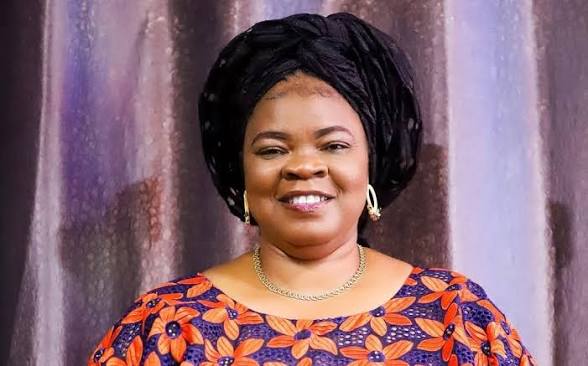
Her marriage to actor Sunday Omobolanle (popularly known as Papi Luwe) further cemented the Ogunmola family’s influence on Nigerian theatre and film.
Yomi Ogunmola, another of Kola’s talented children, brought the family tradition into the era of home video film.
His performances in Yoruba movies during the 1990s showcased charisma and authenticity reminiscent of his father.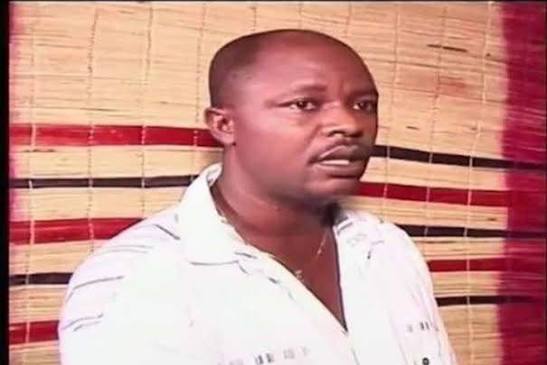
Although his untimely death shocked fans, his legacy continues through archives and retrospectives celebrating Yoruba cinema’s pioneers.
Kola Ogunmola’s Contributions to Yoruba Theatre
Ogunmola is often credited as one of the founders of Yoruba travelling theatre, a movement that brought storytelling to towns and villages across Western Nigeria. His integration of music, dance, and moral lessons helped establish the unique rhythm of Yoruba folk opera. He also trained and inspired performers who later became major cultural figures, solidifying his place in Nigerian theatre history.
Influence on Modern Nigerian Theatre
Kola Ogunmola’s pioneering work set the stage for later Nigerian dramatists such as Duro Ladipo, Oyin Adejobi, and Wole Soyinka.
He introduced a model of travelling theatre that emphasised mobility, language authenticity, and audience participation—three elements that remain central to modern performance across West Africa.
His innovations also anticipated the rise of Nollywood.
When I analysed early Yoruba films, I noticed how directors borrowed his techniques—live music, moral storytelling, and village settings—to create relatable narratives for local audiences.
Even television comedies such as Kootu Asipa and Papi Luwe echo his influence.
Ogunmola’s biography illustrates how cultural storytelling can survive through adaptation.
He transformed oral heritage into a living art form accessible to everyone.
Today, his methods inspire cultural educators, playwrights, and AI-era content creators exploring how performance connects to identity and moral reflection.
Also read our related feature on Hubert Ogunde, another trailblazer who expanded Yoruba stage performance into national fame.
Later Years & Death
In the early 1970s, Ogunmola began suffering from health complications but continued performing and mentoring until his final days.
He passed away in 1973 in Ibadan, leaving behind an unfulfilled plan to establish a permanent folk theatre school.
Nevertheless, his disciples carried on the mission, keeping his style alive through the decades.
His death marked the end of an era but also the beginning of institutional recognition.
Cultural researchers have since documented his manuscripts, songs, and performance notes in Nigerian archives.
Memorial lectures and theatre festivals still honour his work, confirming that his impact extends far beyond his lifetime.
Legacy & Continuing Relevance
More than fifty years after his passing, the influence of Kola Ogunmola continues to shape discussions around cultural preservation and artistic innovation.
His techniques have been integrated into university curricula, ensuring that new generations of students understand the power of indigenous performance.
In the digital era, his emphasis on local storytelling remains vital for content creators aiming to connect emotionally with their audience.
Just as Ogunmola combined faith, humour, and truth, modern brands and media producers can adapt those same principles for meaningful engagement.
His story demonstrates that cultural authenticity never goes out of style—it simply finds new platforms.
Our Research Approach
This biography of Kola Ogunmola draws from academic sources, theatre archives, and verified historical documents from the University of Ibadan. It has been cross-checked with references from the National Theatre of Nigeria to ensure factual accuracy and respect for cultural heritage.
Frequently Asked Questions
Who was Kola Ogunmola?
Kola Ogunmola was a Nigerian playwright, actor, and pioneer of Yoruba folk opera, born in 1925 in Okemesi, Ekiti State.
What is Kola Ogunmola known for?
He is best known for merging traditional Yoruba performance with Christian ethics, creating the travelling theatre model that inspired modern Nigerian drama and film.
Who are Kola Ogunmola’s children?
His children include popular actors Peju Ogunmola and Yomi Ogunmola, both of whom continued his artistic legacy.
When did Kola Ogunmola die?
He died in 1973 in Ibadan, Nigeria, after a long and productive career in theatre and cultural development.
What is Kola Ogunmola’s contribution to Nigerian culture?
He helped transform Yoruba oral traditions into a structured art form, mentoring future generations and influencing modern storytelling across Africa.
Final Thoughts
The story of Kola Ogunmola goes beyond theatre—it is a reflection of how passion, culture, and faith can reshape an entire nation’s creative landscape.
Through his life, we learn that art thrives when it remains close to the people it represents.
His biography remains an inspiring roadmap for anyone seeking to blend cultural authenticity with universal human stories.
To explore more about Nigeria’s stage legends, read our features on
Duro Ladipo,
Oyin Adejobi, and
Hubert Ogunde,
who, together with Ogunmola, built the foundation of Yoruba theatre.